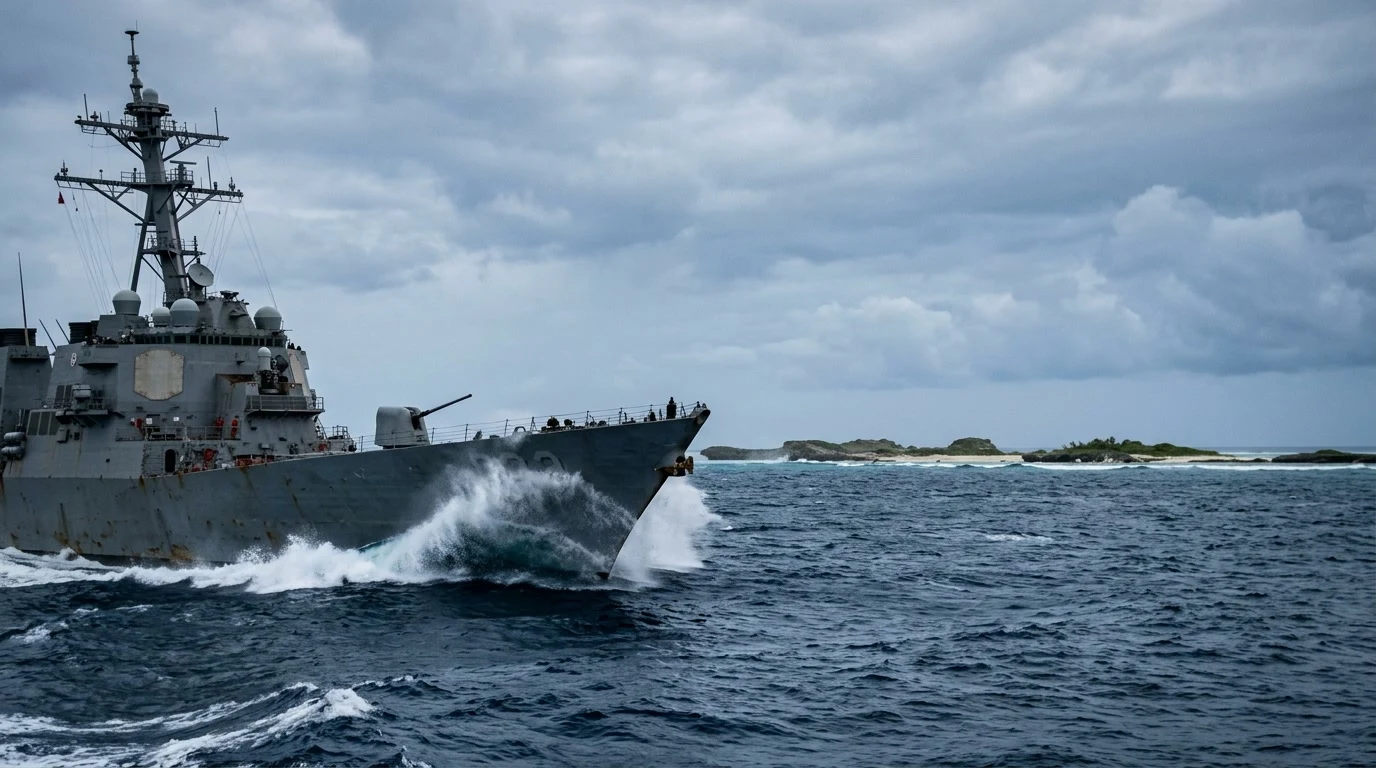
Guide: How U.S. Freedom of Navigation Operations Work
The Freedom of Navigation Program is a Department of Defense initiative, in place since 1979, that uses U.
Shipbuilding budgets, force-level targets, legislation and treaties tracked against delivery reality, with documents quoted and arithmetic checked.
The Freedom of Navigation Program is a Department of Defense initiative, in place since 1979, that uses U.
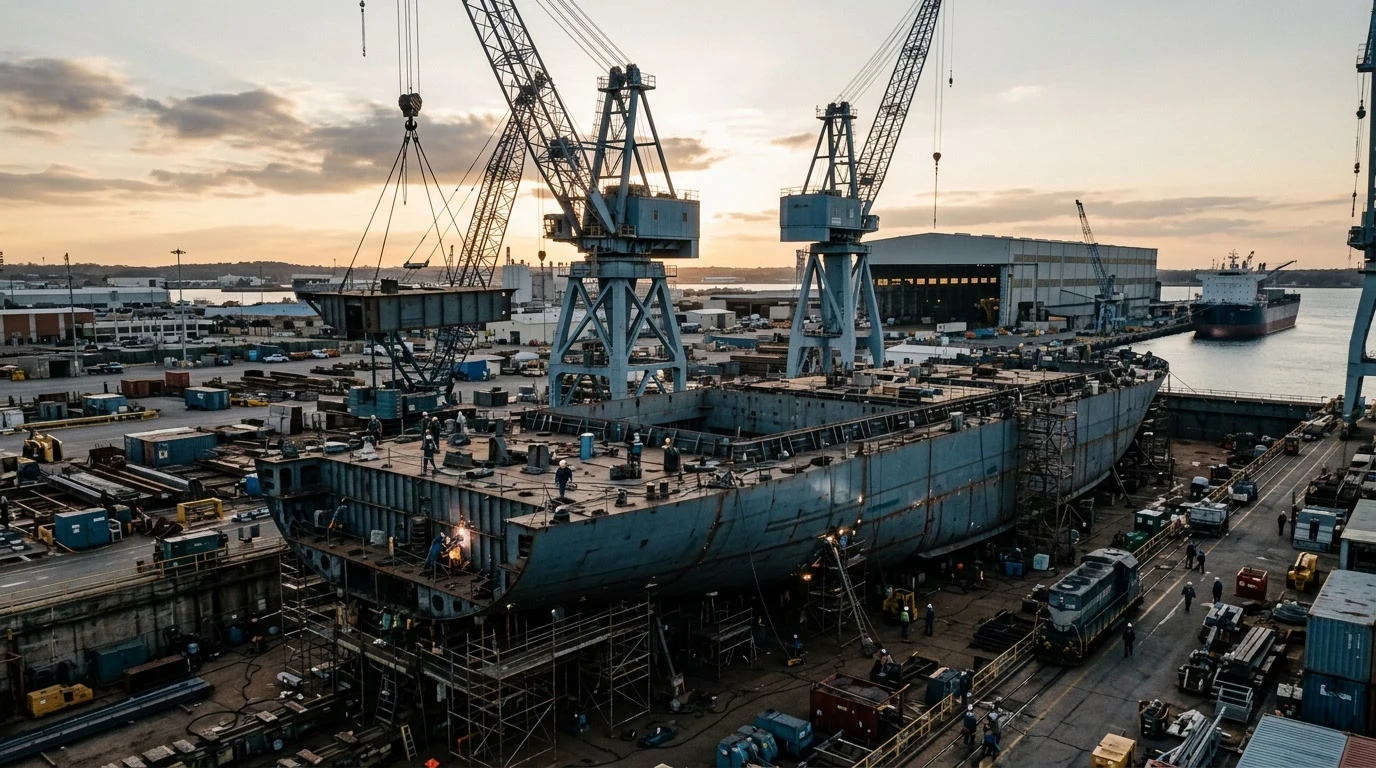
The century-old cabotage law sets three conditions for domestic shipping and has become a fixture in debates over the health of the shipyards the Navy depends on.
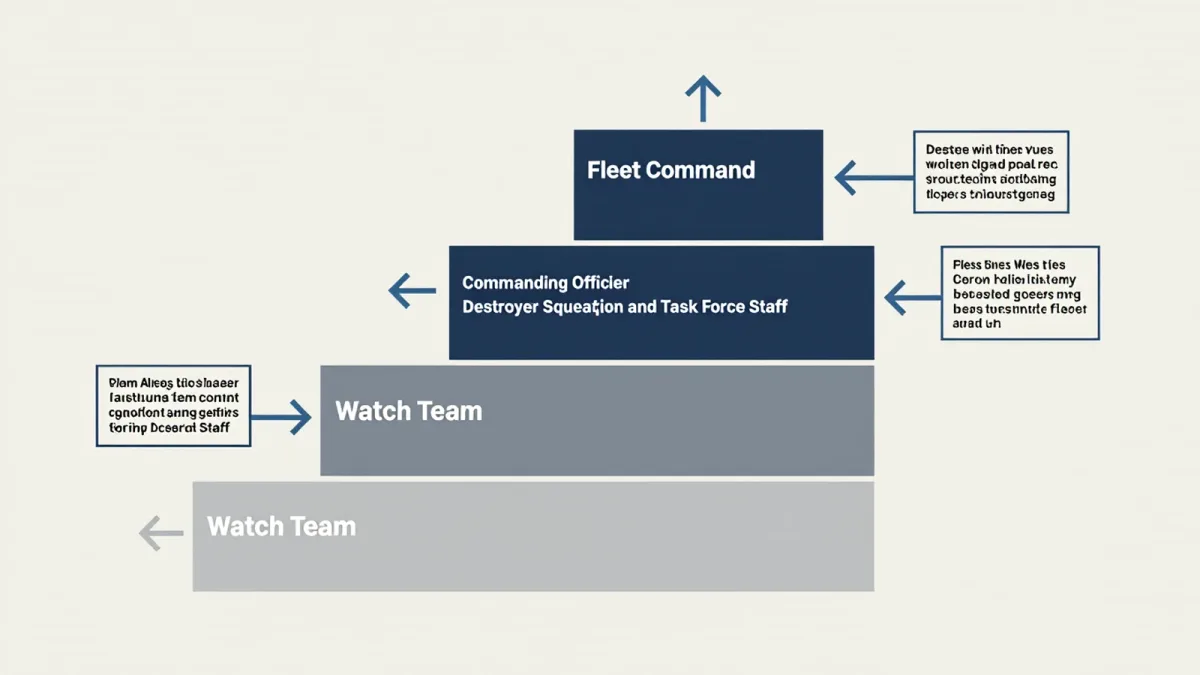
The Navy's accountability system reaches from deckplates to fleet command: the 2017 Pacific Fleet collisions produced relief of commanding officers, a fleet commander, and staff admirals, alongside nonjudicial punishment for dozens of sailors.
The law of naval warfare has governed the capture of merchant ships for centuries, and its machinery of prizes, prize courts, and prize money is dormant in American practice but never repealed in principle.
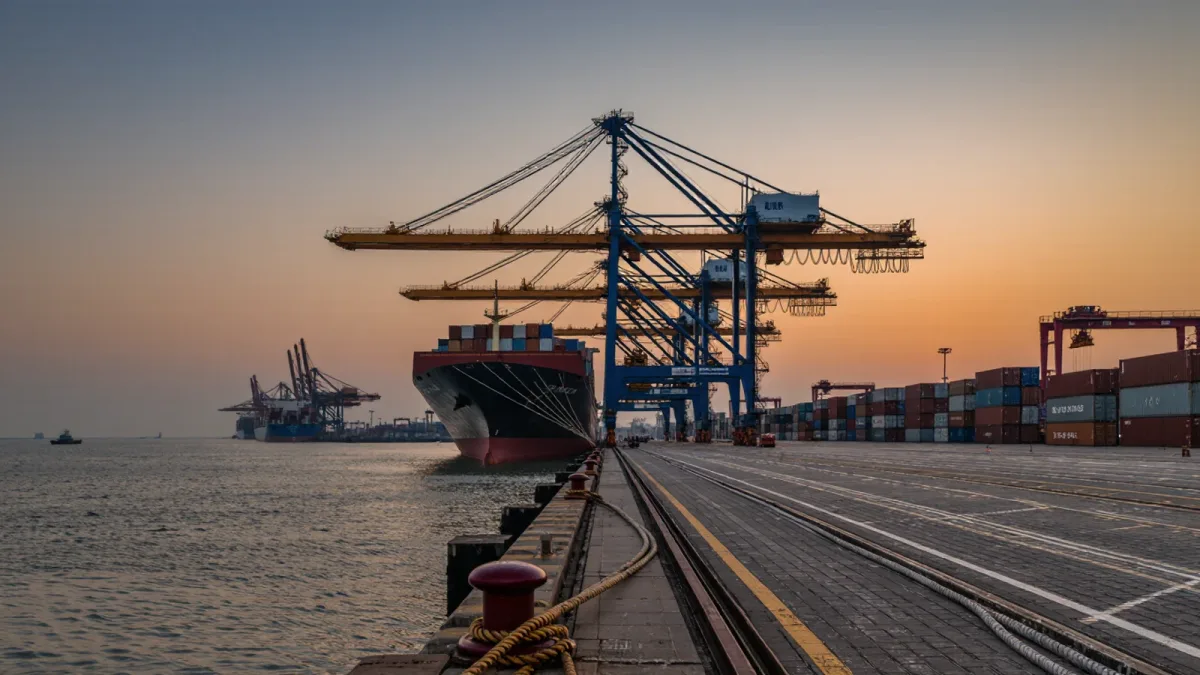
Nearly all U.S. military equipment moves to a contested theater by sea, and the policy architecture that makes that possible rests on a shrinking commercial fleet, a government surge fleet, and a mariner workforce that watchdogs say is too small.
When a U.S. warship collides with another vessel, at least three parallel investigations begin within days, and their findings move on separate administrative, safety, and civil tracks.