The United States keeps two military sea services with sharply different peacetime jobs, and statute moves the Coast Guard into the Department of the Navy when the President or Congress sends the country to war.
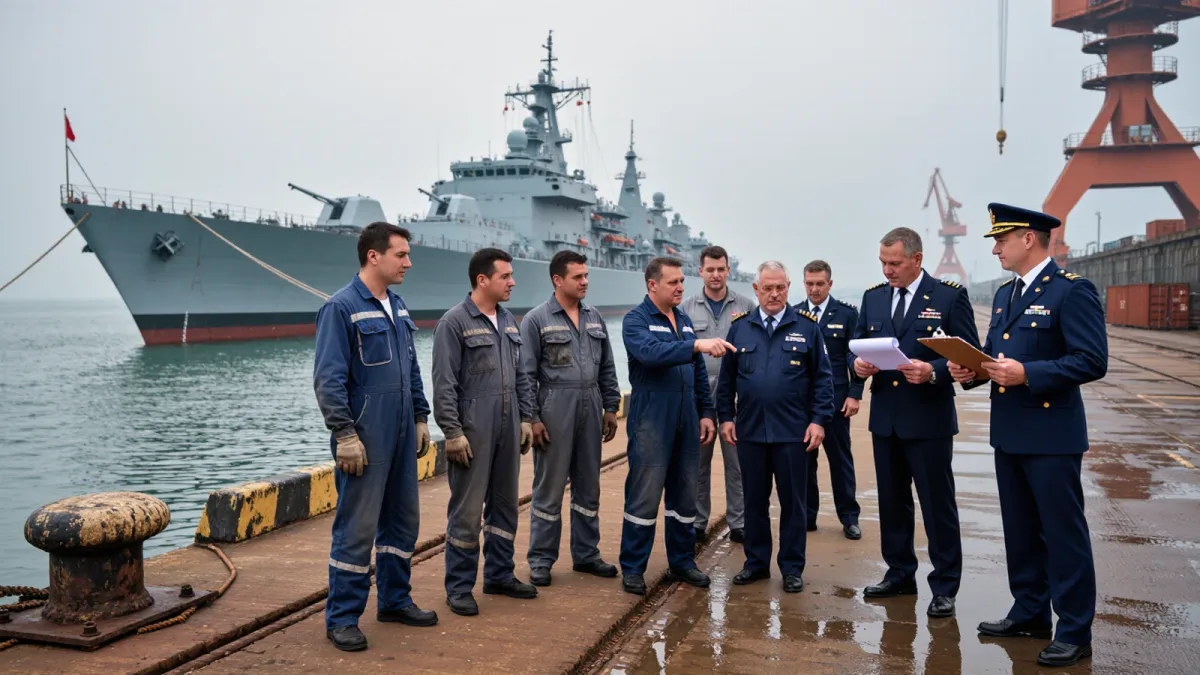
When a warship no longer fits U.S. needs, the Excess Defense Articles program can hand it to an allied navy at grant cost or a nominal price, turning a pending scrapyard visit into a partner fleet capability.
The United States observes the maritime rules set out in the 1982 Law of the Sea Convention as customary international law but has never joined the treaty, leaving the Navy to operate under a mix of custom, executive policy, and domestic law.
A Reconstruction-era statute limits the use of federal troops to enforce civilian law, and although the law names only the Army and Air Force, Navy personnel are covered in practice by Department of Defense regulation.
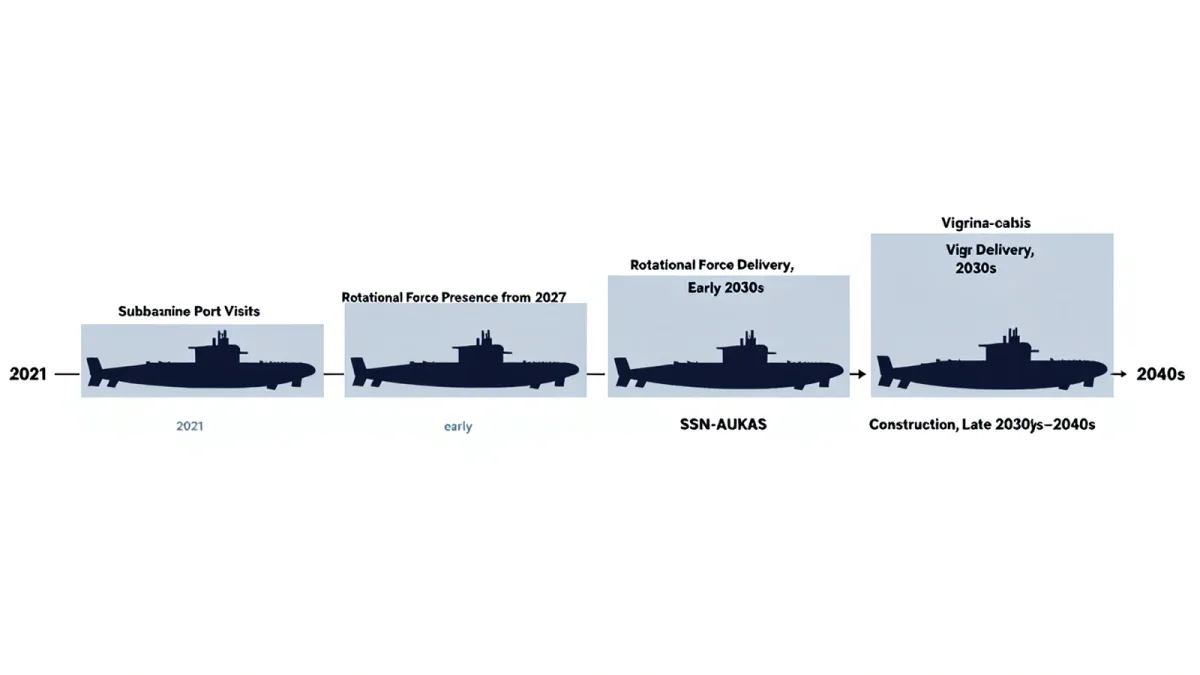
The AUKUS partnership, announced on September 15, 2021, sets a multi-decade path for Australia to operate nuclear-powered submarines through a staged plan built on US boats, a rotating allied presence, and a jointly designed new class.
Every American warship begins its life not in a shipyard but in a budget request, and the path from that request to a construction contract runs entirely through Congress.